
Insights
Expert insights, industry analysis, and thought leadership to help your business stay ahead of the curve.
October 12, 2026
Insights
How eSyntagi Brings Five Pharmacy Systems Into One Workflow
A routine pharmacy sale can touch the national e-prescription platform, the medicine verification system, the tax authority, the card terminal and the insurance funds.
Read more
October 7, 2026
Insights
How Greek Banks Are Using AI Agents
Greek banks are using three different forms of AI that are often placed under the same agent label, although they do not have the same authority.
Read more
October 5, 2026
Insights
The Courage to Close Your Product MVP
An MVP is the point at which a digital product meets reality. When the live product still cannot retain users, attract paying customers, or survive without continuous founder effort, more iteration may only deepen the loss.
Read more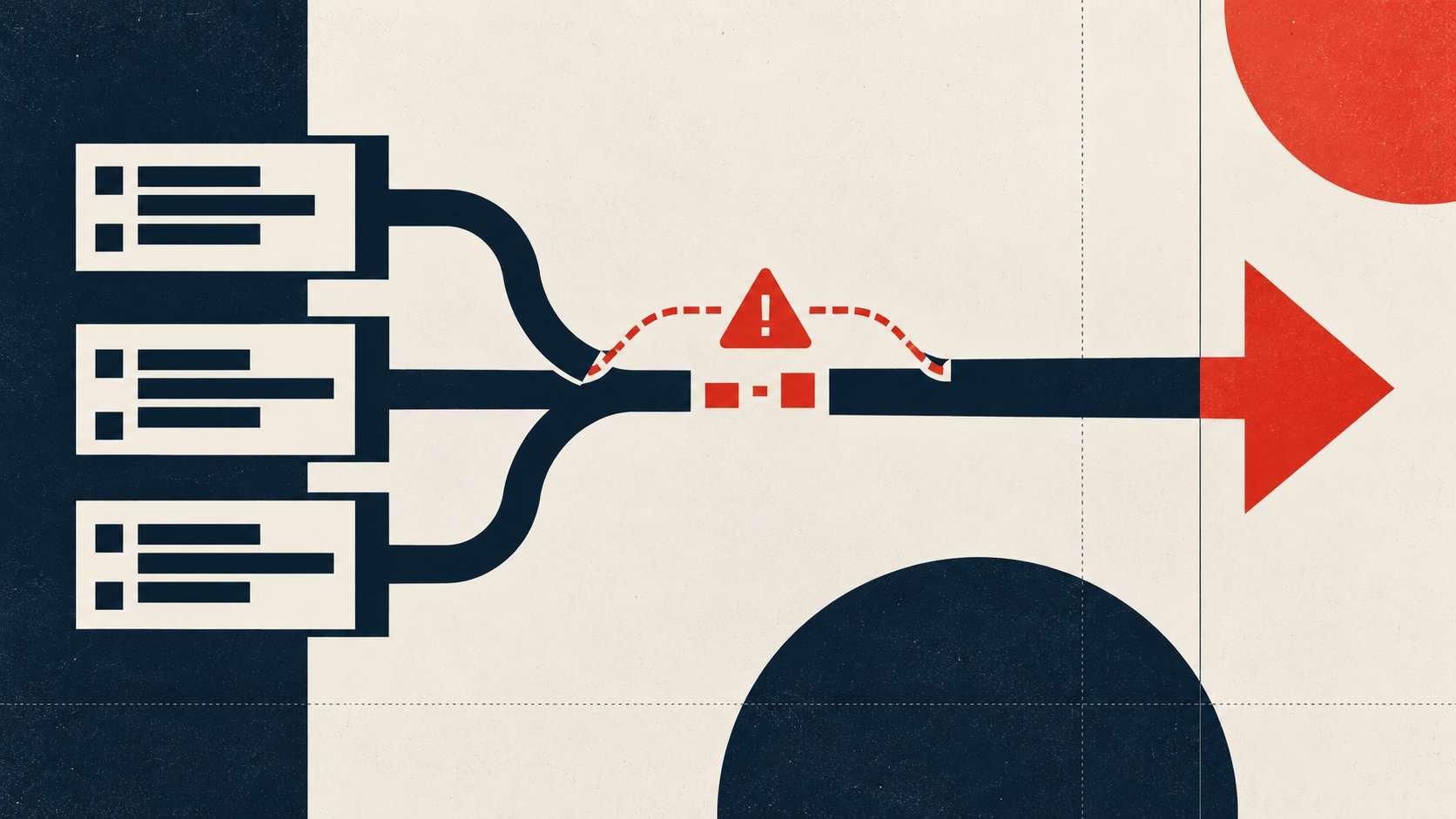
September 29, 2026
Insights
Your AI Knows the Code Is Insecure. It Ships It Anyway.
In about one in five runs where a flaw came back, the AI agent had explicitly recognized the security risk and still delivered insecure code. Here's what the research shows and what you can do about it.
Read more
September 28, 2026
Insights
Make Post Purchase SMS and Email Pay Off
In a 2026 analysis, half of customers who eventually bought again placed their second order within 30 days. To find out whether your flow creates second purchases, randomly withhold it from some eligible first-time buyers and compare their results with those who receive it.
Read more
September 25, 2026
Insights
How to List Products on Google for Free in 2026
Eligible products can appear without a click charge on Google Shopping, Search, Images, Lens, YouTube, Maps and Gemini, with a free Merchant Center account. Here is how to set up free listings in 2026 and measure what they bring.
Read more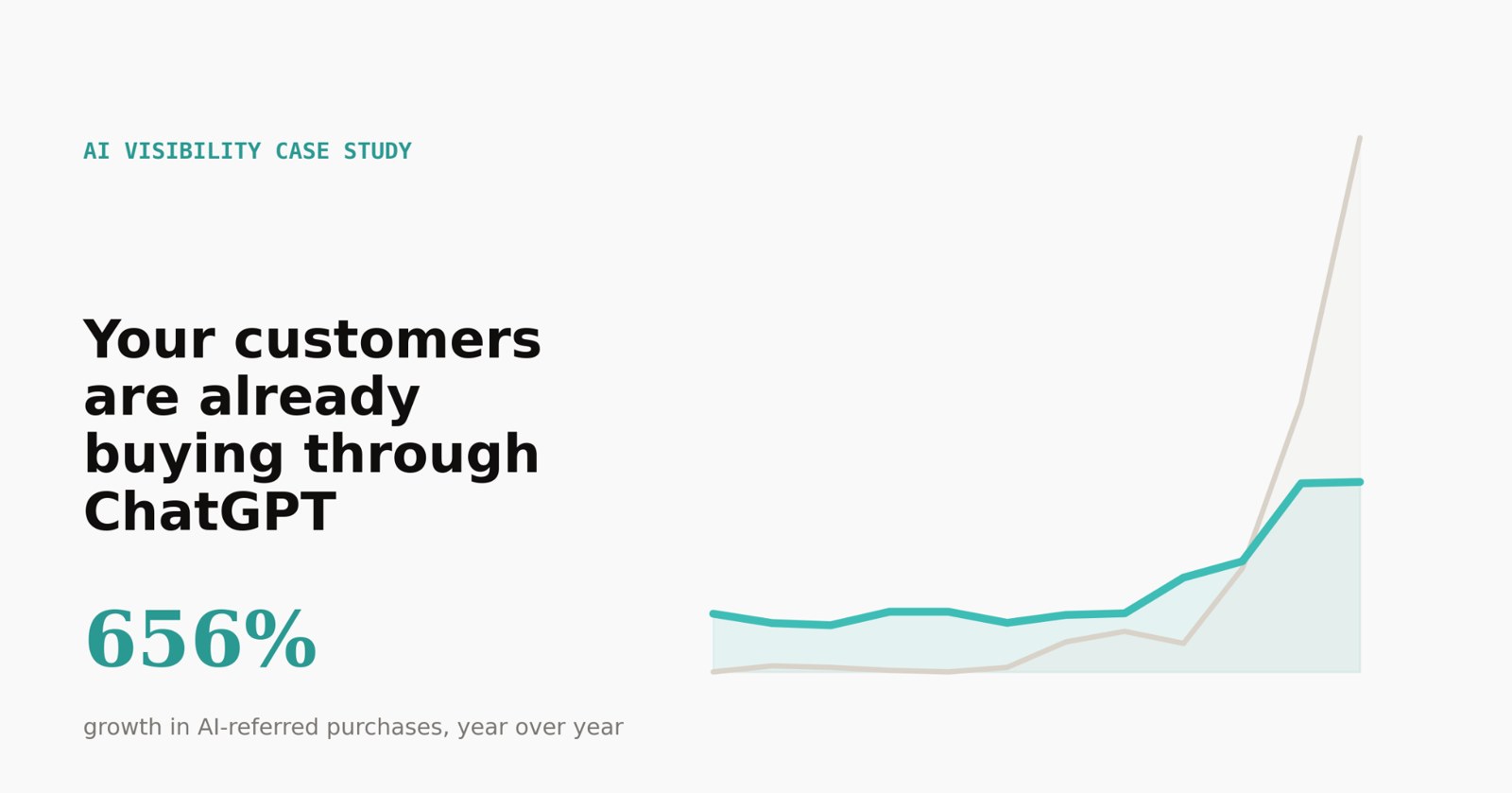
September 22, 2026
Insights
Your customers are already buying through ChatGPT
AI-referred purchases grew 656% year over year across our client portfolio, not one outlier account. Here's what's driving it and how to show up in ChatGPT.
Read more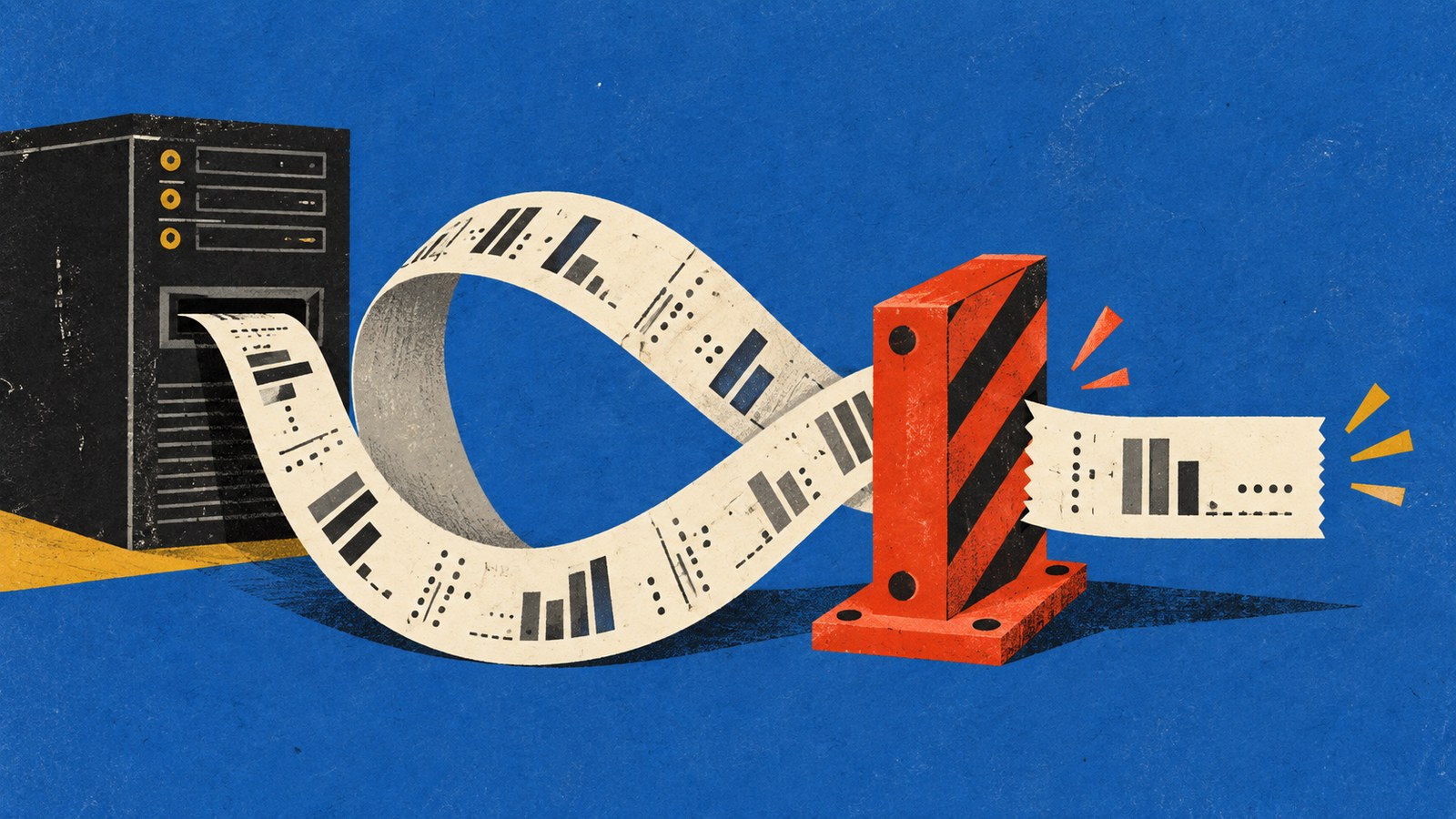
September 18, 2026
Insights
How hard runtime limits contain AI agent costs in production
AI agents get expensive when they keep working after they stop making progress. Prompts cannot enforce a budget. Here are the hard limits on turns, tokens, cost, time and repetition that give an open-ended loop a predictable worst-case cost.
Read more
September 17, 2026
Insights
How to Know Which Parts of Your Business an AI Agent Should Not Run Yet
AI agents are most useful on bounded work whose errors are easy to detect and reverse. Here is a practical way to decide what they may execute, what they may only prepare, and what must stay with a person.
Read more